From brightening to anti-aging, Vitamin C Is your skin care superhero.

Have you ever looked in the mirror and been less than pleased with the way your skin looks? Dull. Uneven. Uninspiring. Sure you have a regular skincare routine that includes cleanser, moisturizer and sunscreen. You may even use the occasional manual or chemical exfoliation. All of that is great however you may still find that your skin needs more – brightening, lift, clarity and hydration. What you need is a product that contains a key ingredient that will address the concerns you have and the ones you didn’t know you had.
That Key Ingredient Is Vitamin C
We are all familiar with Vitamin C because of the foods, beverages, and supplements we take. It is also what we turn to when we we not feeling well since it is a well known fact that Vitamin C helps to restore and keep your immune system strong. Vitamin C is also “responsible for the growth and repair of the tissues in all parts of the body” (1) and can aid in the prevention of certain diseases and disorders such as stroke and high blood pressure (2). With all of the amazing benefits that vitamin C provides internally, how much more will your skin benefit from using this ingredient on a regular basis to make it better?
Vitamin C In Skincare
Vitamin C, whether in moisturizer or serum form is one of the most powerful ingredients in your skincare routine. It is a multifaceted ingredient that does the heavy lifting for some of our more pressing skincare concerns and here’s how:
- It is a powerful antioxidant with anti-aging benefits. Antioxidants are ingredients that help fight free radical damage caused by environmental aggressors such as dirt, UV rays and pollution. Free radical damage leads to photosensitivity, hyperpigmentation and wrinkles.
- Helps with collagen growth/synthesis. Collagen, which decreases with age, is a protein that lives in the deeper layers of the skin. It is responsible for the structure and firmness of the skin as well as the connective tissues in the body. Vitamin C helps to stimulate your body’s natural collagen production, thus keeping the skin firm.
- Improves wound healing. This ties back to collagen production and the fact that it is responsible for the connective tissue in the skin. When you have an injury to the skin due to a scratch or even an acne breakout, Vitamin C will help with collagen production/synthesis to rebuild the structure of the connective tissue of the skin so that it is healthy again.
- Helps to brighten the skin and leads to overall clarity. Vitamin helps to regulate melanin production leading to overall evenness of the skin. When you experience hyperpigmentation/discoloration perhaps due to injury or breakout, Vitamin C helps to inhibit the overproduction of melanin by inhibiting melanin synthesis. This is done by “downgrading the activity of an enzyme known as tyrosinase.” (3) Vitamin C also helps to calm down redness.
- Brightens dark under eye circles. Depending on the root cause of the darkness, Vitamin C can be the answer. For instance, if the darkness is caused by hyperpigmentation such as eczema, allergies or perhaps a late night, Vitamin C can help. Unfortunately, if that darkness is hereditary (appearance of pooling or dark veins) Vitamin C will not help much. In these cases, a color corrector and/or concealer can help.
What Are The Most Common Forms Of Topical Vitamin C?
The most common form of Vitamin C is l-ascorbic acid (LAA). It is the most researched, the most popular and the most potent. It is very effective in addressing a myriad of skin concerns. There can, however, be a downside to using this highly potent form of Vitamin C because it is highly unstable. This can lead to irritation such as itching, redness and burning and is most likely the reason why many steer clear of Vitamin C altogether.
There are other forms of Vitamin C which can be more gentle to the skin and help to alleviate some of the discomfort one may experience, especially when first starting out. These forms include Sodium Ascorbyl Phosphate (SAP) and Magnesium Ascorbyl Phosphate (MAP). The former, SAP is better tolerated for sensitive skin without necessarily causing irritation and purging. SAP still contains antioxidant and anti-inflammatory properties and can be helpful to people with acne or rosacea (4). The latter, MAP, which is a more stable form of Vitamin C, is great for hydration, collagen production and works for most skin types (5).
How To Use Vitamin C Correctly
When first introducing Vitamin C into your skin care routine (or any new skin care product for that matter), you want to start slowly. Consider using it every 2-3 days until you are able to use it daily. Mix your Vitamin C serum into a moisturizer or use a Vitamin C infused moisturizer. The best time to use Vitamin C is in the morning after cleansing and toning and before your moisturizer and sunscreen (if using in serum form). Using Vitamin C in the morning benefits your skin because of the powerful antioxidants it contains to protect your skin against environmental aggressors. It is important to follow up with a broad spectrum sunscreen to maximize the benefits of Vitamin C.
Serum vs Moisturizer
When it comes to choosing a formulation of Vitamin C, it comes down to personal preference and skincare need. Serums are usually more lightweight and have more potent ingredients. Since the molecule of a serum is smaller, it will penetrate the skin more deeply to do more repairative work for concerns such as deeper lines and hyperpigmentation. Moisturizers on the other hand are thicker and will do a better job of hydrating and nourishing the skin.
The Best Concentration Of Vitamin C
When looking for a Vitamin C skincare product – whether it be serum based or a moisturizer, there are several things to consider. First things first, consider the concentration. Concentration between 8%-20% is considered to be the most effective. Anything below 8% may be ineffective whereas anything over 20% may cause irritation. When searching for the right concentration of Vitamin C, look for ingredients that are included in the formulation such as Vitamin E, ferulic acid, glutathione, and hyaluronic acid. These ingredients not only can boost the efficacy of Vitamin C but can also act as a buffer (Vitamin E, hyaluronic acid) against irritation and dryness.
How To Store Your Vitamin C Skin Care Products Properly
Because of the instability of most Vitamin C skin care products, it is important to look for packaging that is opaque and dark to protect the ingredients from light and air sources. Not doing so will degrade the product thus rendering it ineffective. You can actually store your vitamin c products (as well as other skincare products) in a refrigerator for preservation. Be sure to take it out a few minutes before use. Also, as with any other skin care or beauty product, pay attention to expiration dates.
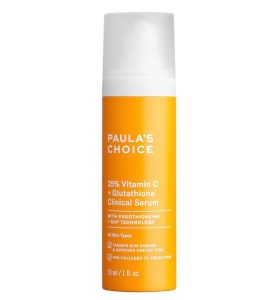
Paula’s Choice 25% Vitamin C + Glutathione Clinical Serum
Drunk Elephant C- Luma Hydrabright Serum

Ole Henriksen C-Rush Vitamin C Gel Moisturizer
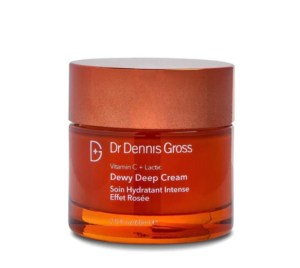
Dr Dennis Gross Skincare Vitamin C Lactic Dewy Deep Cream
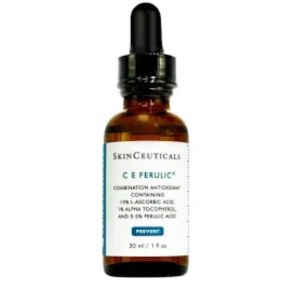
Sunday Riley C.E.O. Glow Vitamin C +Turmeric Face Oil

Supergoop Daily Dose Vitamin C + SPF

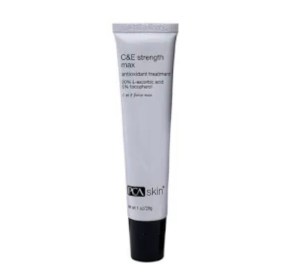
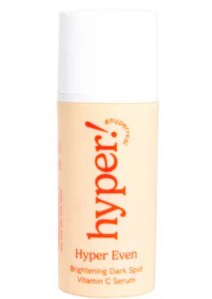
Hyper Skin Brightening Clearing Vitamin C Serum
Naturium Vitamin C Complex Serum

Loved this post? Comment down below and subscribe to beautygrind to receive the latest blog posts filled with industry researched and professionally experienced resources, tips, tricks, and inspiration delivered to your inbox.
For business inquiries regarding Beautygrind.com, email me at info@khalilahneals.com
Need one on one consulting, customization or updates for your beauty and fashion questions and concerns, visit khalilahneals.com and fill out the “work with me” form.
Shop My Closet https://poshmark.com/closet/khalilahneals
- Mount Sanai “Vitamin C ascorbic acid”
- Mount Sanai “Vitamin C ascorbic acid”
- Healthline “11 Reasons To Add Vitamin C To Your Skincare Routine”
- City Skin Clinic “All The Different Vitamin C Skincare & And How To Find The Best One For You”
- City Skin Clinic “All The Different Vitamin C Skincare & And How To Find The Best One For You”
 BeautyGrind