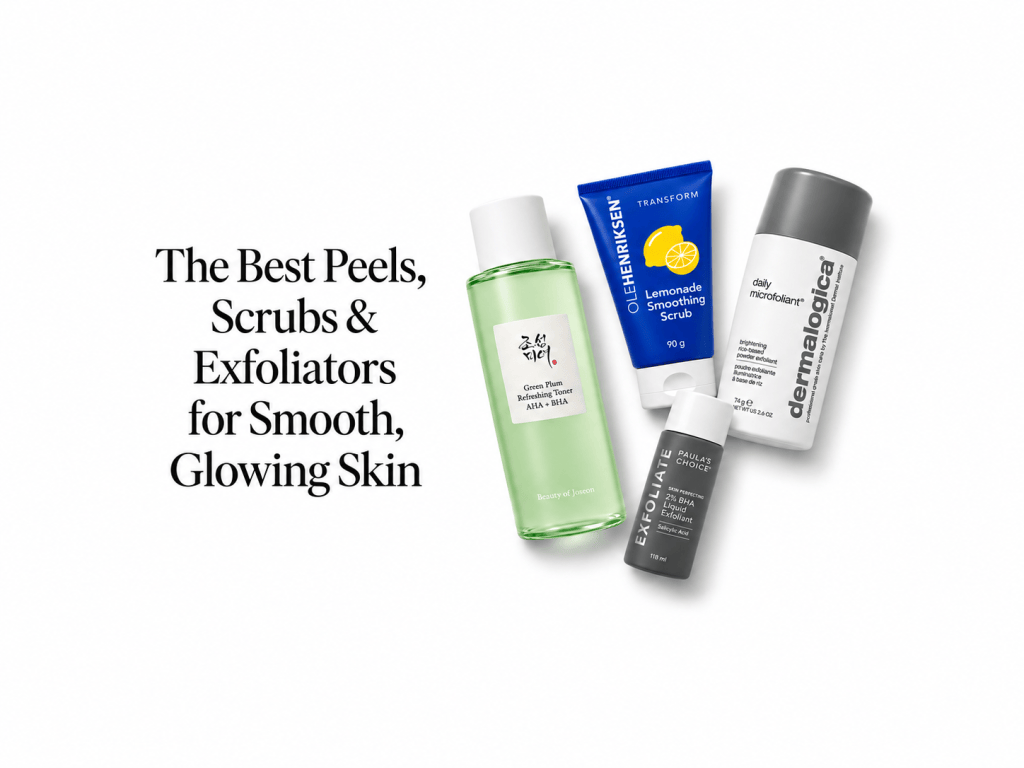
A guide to chemical and physical exfoliation – and finding what works for your skin.
Have you ever had those moments where you felt that your skin looks lackluster? Have you felt like your skin seems to be missing the kind of smoothness and glow that even the most strategic application of primer and highlighter can’t seem to fix? Of course you have. We’ve all been there.
Most understand the fundamentals of a good skincare routine: one that helps skin to look fresh on its own and creates a beautiful canvas for makeup. We know that cleansing removes makeup, excess oil, and daily buildup. Toner, if you use one, can provide hydration or address a specific concern. Moisturizer helps keep skin hydrated and balanced and sunscreen protects against UV damage. While toner isn’t essential for everyone, cleansing, moisturizing, and sun protection are useful basics for everyone.
Consistent skin care and preparation also plays a role in how makeup looks and wears. But even a great foundation can cling to flaky patches or emphasize uneven texture. This can be an indication that your skin needs a little more attention than the everyday basics provide. That’s where exfoliation comes in.
What Does Exfoliation Actually Do?
To begin, your skin naturally sheds dead cells but that process doesn’t always happen evenly or as quickly, especially when we age. When skin cells accumulate on the surface, skin can look dull, feel rough, or develop flaky patches. Buildup can also contribute to clogged pores.
Exfoliation helps remove some of those dead cells, improving the appearance and feel of the skin’s surface. It can make skin look brighter and help skincare products absorbs better into the skin and become more effective. Smooth skin also helps makeup to apply more evenly.
It isn’t a requirement to exfoliate every day or to exfoliate at all if your skin is comfortable and your current skincare and makeup routine is working. The goal is to address what your skin needs without creating irritation.
There are two main approaches to exfoliation: chemical and physical exfoliation.
Chemical Exfoliation: AHAs and BHAs
Chemical exfoliants use ingredients such as alpha hydroxy acids (AHAs) and beta hydroxy acids (BHAs) to help loosen the bonds holding dead skin cells together. They don’t require scrubbing, and you’ll find them in cleansers, toners, pads, serums, and rinse-off peels.
AHAs. AHAs include glycolic, lactic, and mandelic acids. These primarily exfoliate the skin’s surface and can help improve dullness, rough texture, and the appearance of uneven tone. Normal, dry, and combination skin may benefit, depending on the formula. Lactic acid also has moisture-attracting properties, making it worth considering when dryness and roughness occur together.
BHAs. The most common BHA is salicylic acid. BHAs are oil-soluble and can work within pores to help loosen accumulated dead cells and excess oil. This makes salicylic acid particularly useful for oily or combination skin prone to blackheads and congestion. Dry skin can experience clogged pores as well so the overall formula matters as much as the skin-type.
Neither category is automatically gentle or harsh. The acid, concentration, pH, frequency of use, and whether the product is rinsed off or left on all influence how it performs. A higher percentage of an ingredient doesn’t automatically make a product a better choice.
Physical Exfoliation: Scrubs And Polishing Powders
Physical exfoliants use particles and gentle movement to lift dead cells from the skin’s surface. Face scrubs and some cleansing powders fall into this category, although certain formulas also contain acids or enzymes.
This approach may appeal to normal, combination, or oily skin with occasional surface roughness, particularly if you enjoy a rinse-off polish. Some dryness-prone skin may tolerate a finely textured, moisturizing scrub, but flaky skin isn’t always asking to be exfoliated. If flaking is accompanied with tightness, burning, or irritation, additional friction can make things worse.
Physical exfoliators often get a bad reputation, and I understand why. Coarse particles, heavy pressure, and frequent scrubbing can be harsh and cause irritation, redness and micro tears in the skin. If you choose physical exfoliation, formula and technique matter: use light pressure and let the product do the work.
Which Approach Is Right For Your Skin?
Start with the concern you want to address. Surface dullness and roughness may respond to an AHA or a gentle physical exfoliant. Blackheads and clogged pores can benefit from a BHA like salicylic acid. Sensitive or easily irritated skin needs a more cautious approach to either method, especially during a flare-up.
You also don’t have to choose a formula that does everything. Products combining acids and polishing particles can work well for some people, but combining methods doesn’t automatically make them more effective—or more suitable for your skin.
My own routine reflects years of learning what my skin tolerates, along with the time and money I’m comfortable spending. It isn’t a template everyone needs to follow. I also know that physical exfoliators tend to get a bad reputation in skincare conversations, but my experience has been more nuanced. I understand the concern: abrasive textures, heavy pressure, and excessive use can leave skin irritated. Still, an occasional, gentle polish when my skin needs it has worked well for me. The formula, how you use it, and your skin’s tolerance all matter. Chemical exfoliation, which I use daily, can also be overdone, so I don’t automatically consider one method better than the other. My goal is smooth, radiant skin that feels comfortable. That requires paying attention to how my skin responds.
Smooth, radiant skin should still feel comfortable. Burning, persistent redness, and increasing dryness are reasons to step back, not signs that a product is working harder. Keep moisturizer and daily sunscreen in your routine, and give your skin time to benefit from the care you’re providing.
Continue reading for 11 highly rated chemical and physical exfoliants. Remember to consider your skin’s needs, the complete formulation, your existing products, and your budget. Introduce one exfoliant at a time, follow its directions, and adjust the frequency to your skin’s response.
Dr. Dennis Gross Alpha Beta Universal Daily Peel
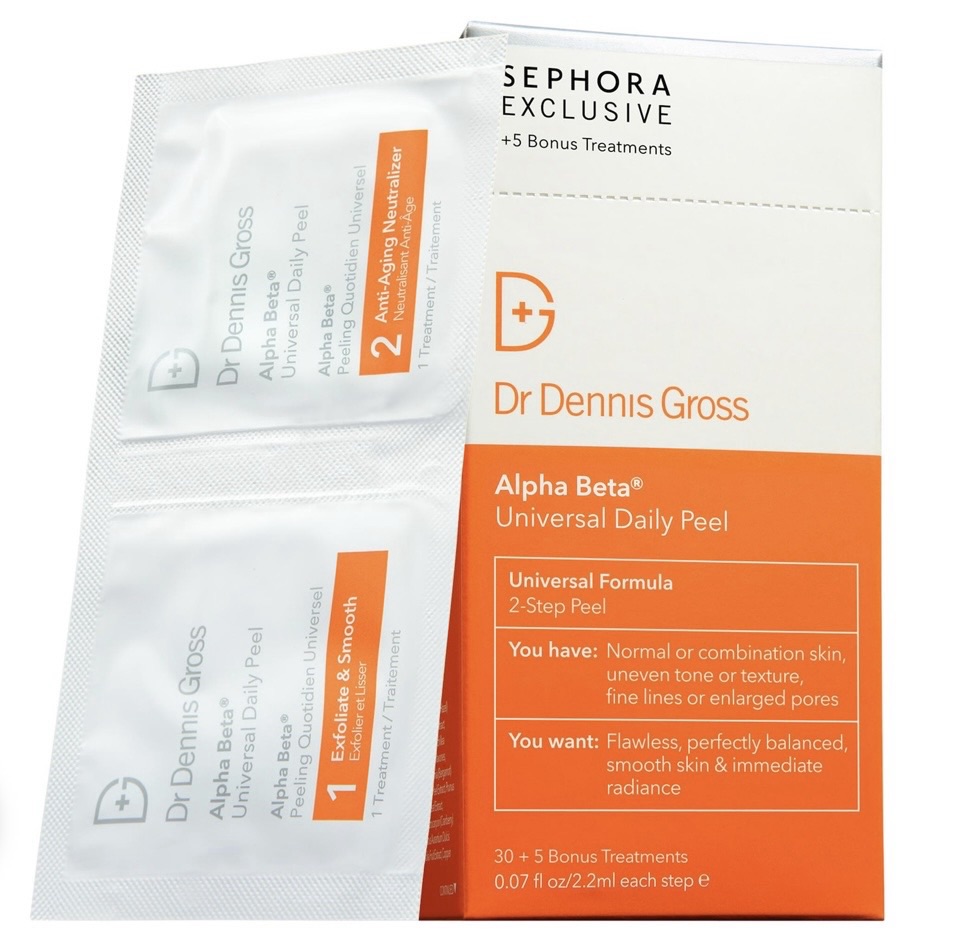
These two-step peel pads are a daily staple in my skincare routine and one of my must-haves for smooth, radiant-looking skin. The liquid-soaked pads make application straightforward, with no mixing or gritty texture. Glycolic acid helps loosen dull surface cells, while salicylic acid addresses buildup within pores. The second pad neutralizes the acids and includes resveratrol for antioxidant support. This formula may suit normal, combination, or oily skin concerned with uneven texture and dullness. Apply the first step to clean, dry skin, wait two minutes, then follow with the second. Daily use works for me, but that isn’t a starting requirement; the brand recommends that first-time users begin every other day to build up tolerance.
OLEHENRIKSEN Lemonade Smoothing Scrub
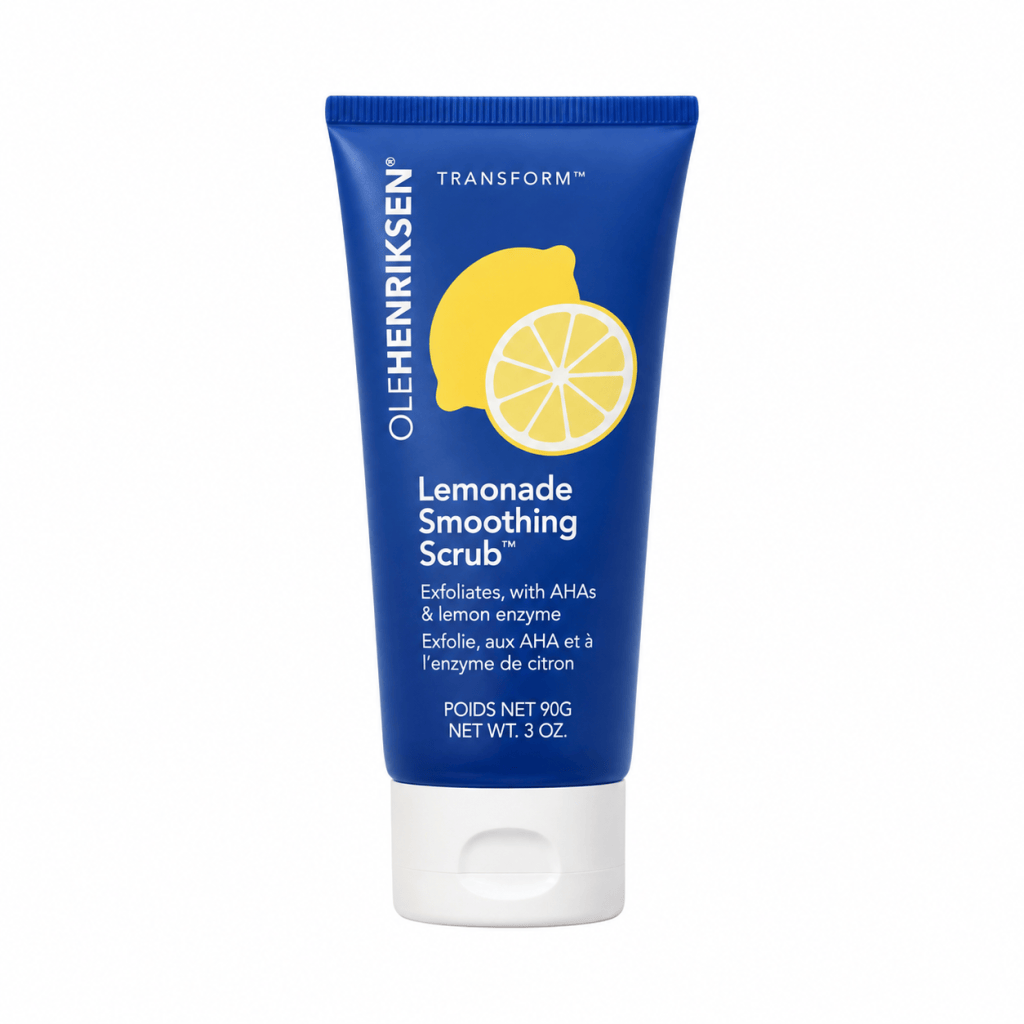
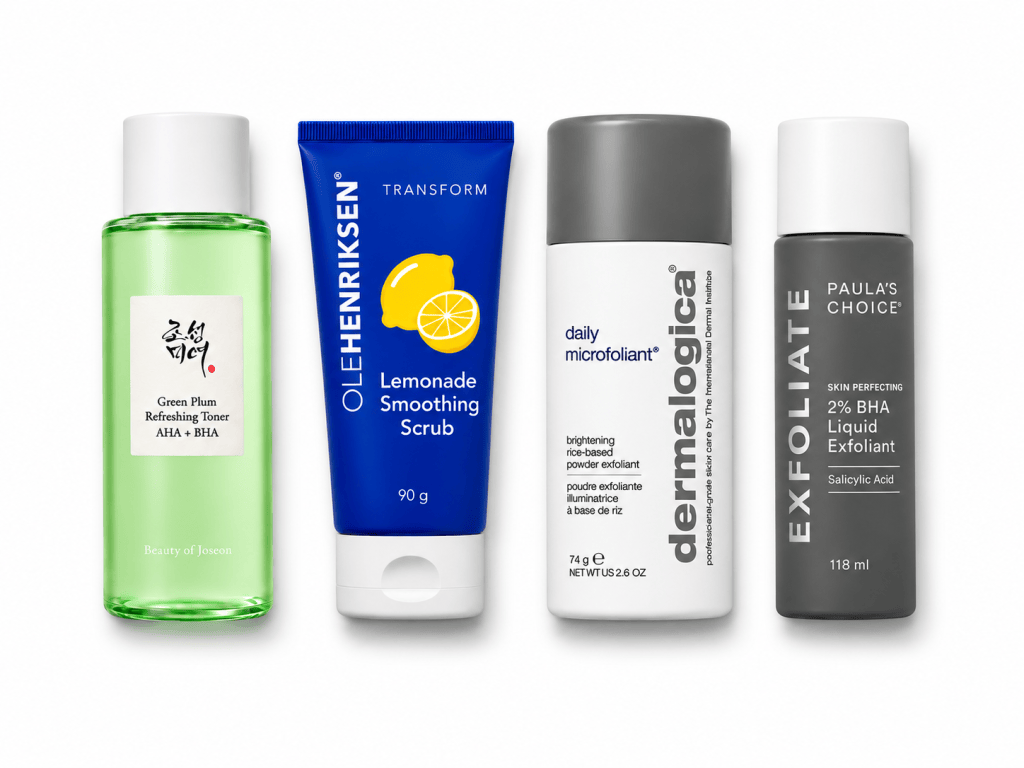
This is one of the best exfoliators I’ve used, and one I highly recommend for skin that tolerates both acids and a scrub. It’s lemon-scented, slushie-like texture combines chemical and physical exfoliation and what I consider to be the best of both worlds. Glycolic and lactic acids help loosen dead surface cells while fine sugar crystals provide a physical polish as you massage. In my experience, it leaves my skin looking radiant and feeling noticeably smooth. It may suit normal, combination, or oily skin dealing with dullness and rough texture. Because it combines exfoliating methods and contains fragrant citrus oils, sensitive skin may find it too much. Keep your pressure light and use it as an occasional treatment.
Dermalogica Daily Microfoliant
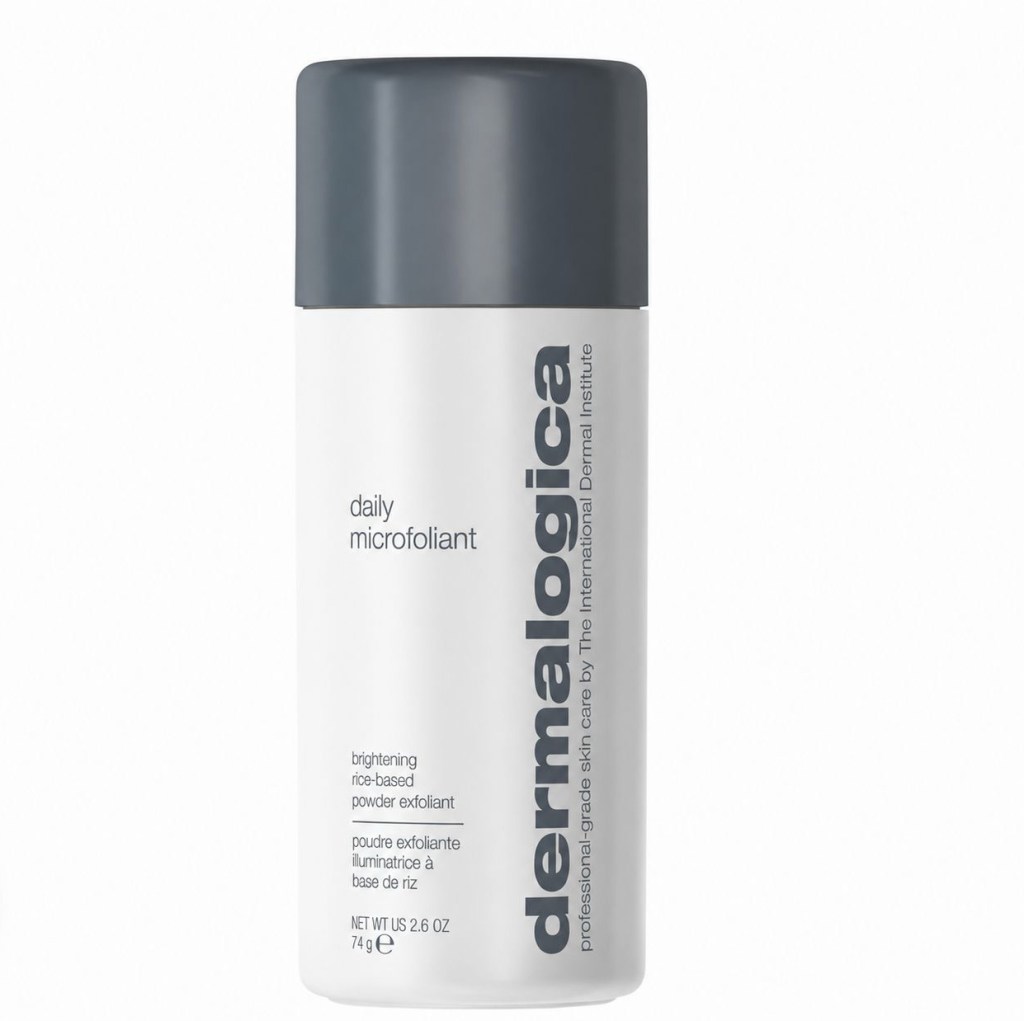
Daily Microfoliant is another must-have in my routine and I currently use it almost daily to help maintain smooth, radiant-looking skin. The fine powder transforms into a creamy, lightly foaming paste when mixed thoroughly with water which provides a light polishing texture. Papain, a papaya-derived enzyme, helps break down the proteins holding dead surface cells together. Salicylic acid helps address pore buildup, while colloidal oatmeal offers soothing support. This may suit normal, combination, or oily skin looking to address dullness and uneven texture without a coarse scrub. The preparation matters: use very wet hands and create the paste before applying. My frequent use reflects my own tolerance; beginners or sensitive skin types can start every other day.
Kate Somerville ExfoliKate Intensive Exfoliating Treatment
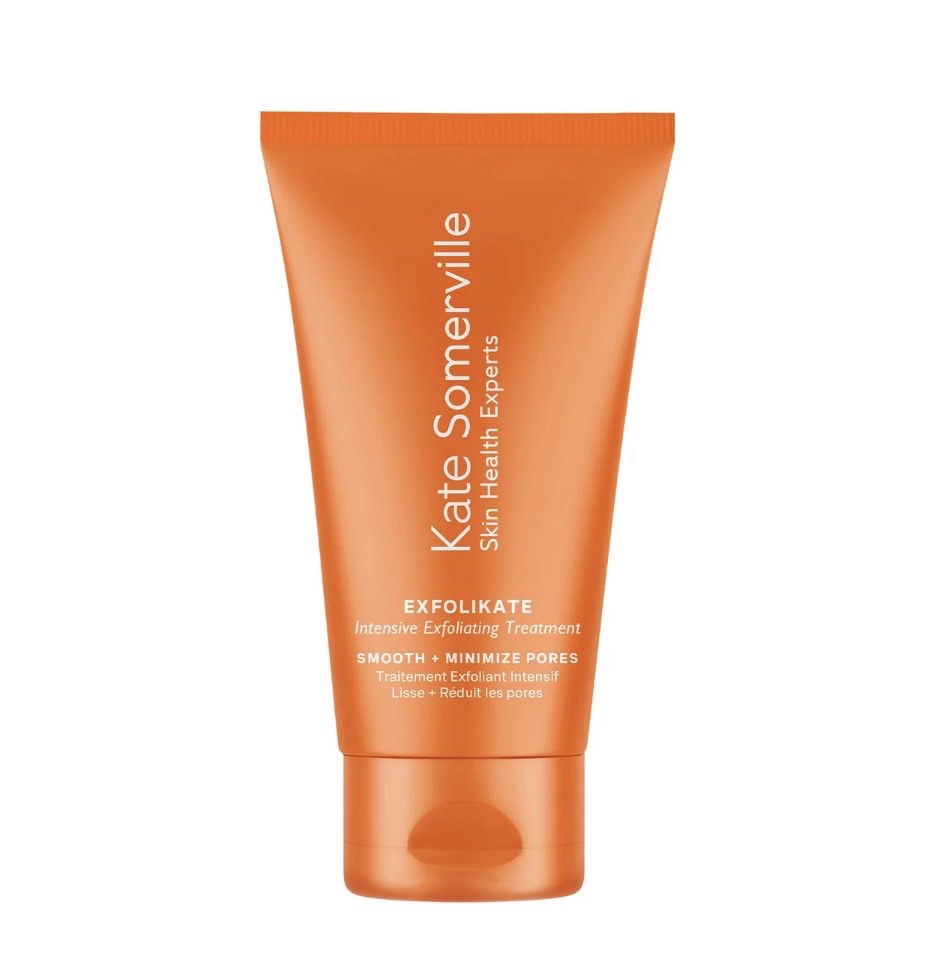
ExfoliKate combines several exfoliating methods in a thicker treatment with a fine grainy texture. Lactic acid helps loosen dead surface cells, silica physically polishes, and papain, a papaya-derived enzyme, helps break down surface buildup. On paper, that combination offers a thorough approach to roughness and dullness, particularly for normal, combination, or oily skin accustomed to exfoliation. In practice, this formula did not agree with my skin, even though I followed the directions. That doesn’t mean everyone will have the same experience, but it does keep it off my personal favorites list. With multiple exfoliating ingredients and fragrant oils, it deserves a cautious introduction, especially if your skin is easily irritated.
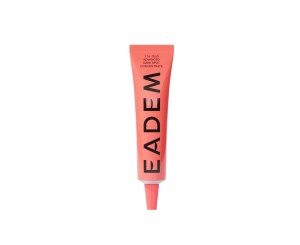
EADEM Cashmere Peel Milky Exfoliant & Hydrating Essence
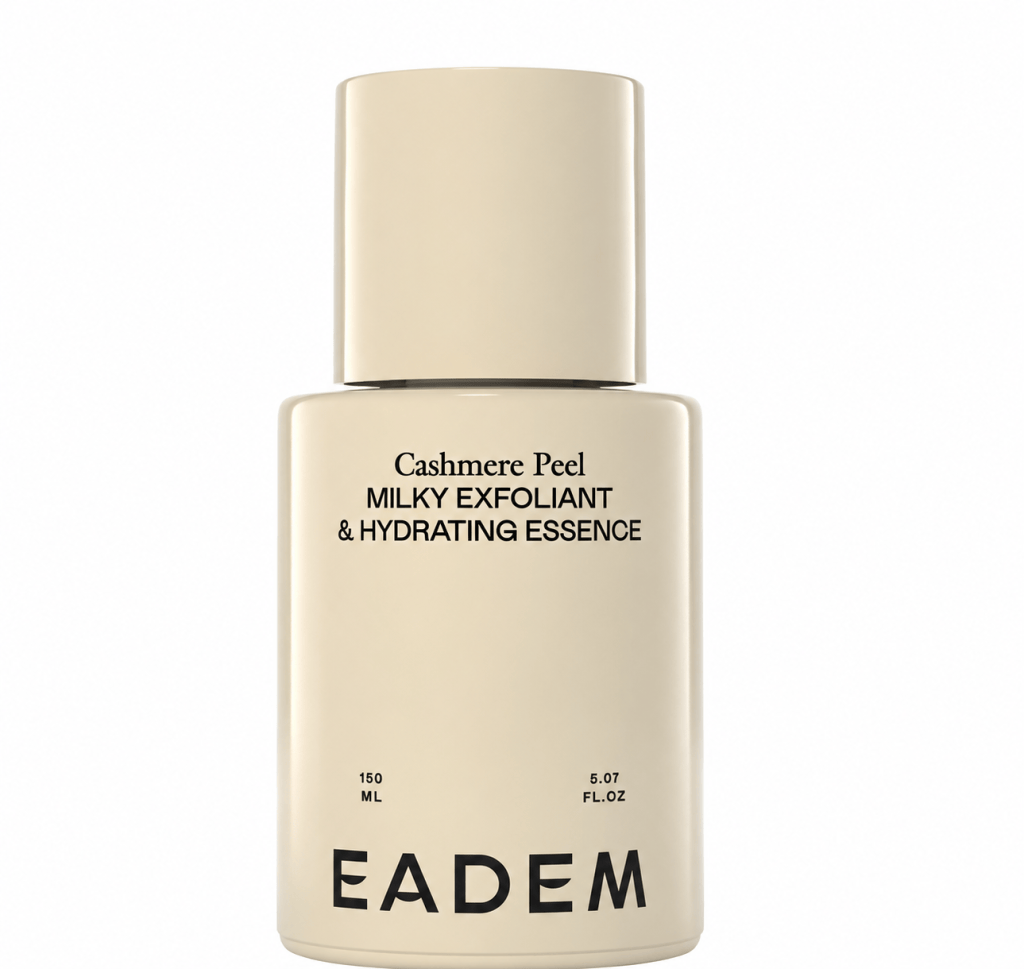
Eadem Cashmere Peel combines a lightweight, milky texture with ingredients intended to address dullness, uneven texture, and discoloration. Gluconolactone, a polyhydroxy acid, helps exfoliate while attracting moisture. Lactic acid adds surface exfoliation, while tranexamic acid helps improve the appearance of uneven pigmentation. The moisturizing format may appeal to normal, combination, or dryness-prone skin that prefers a milky treatment over a watery exfoliating toner. Personally, I thought it was okay, but I’ve used other milky exfoliating toners that I preferred. It has plenty of fans, so my experience isn’t the final word on whether it deserves a place in your routine. Despite its soft texture, the 9% AHA/PHA blend still calls for a gradual introduction.
Paula’s Choice Skin Perfecting 2% BHA Liquid Exfoliant
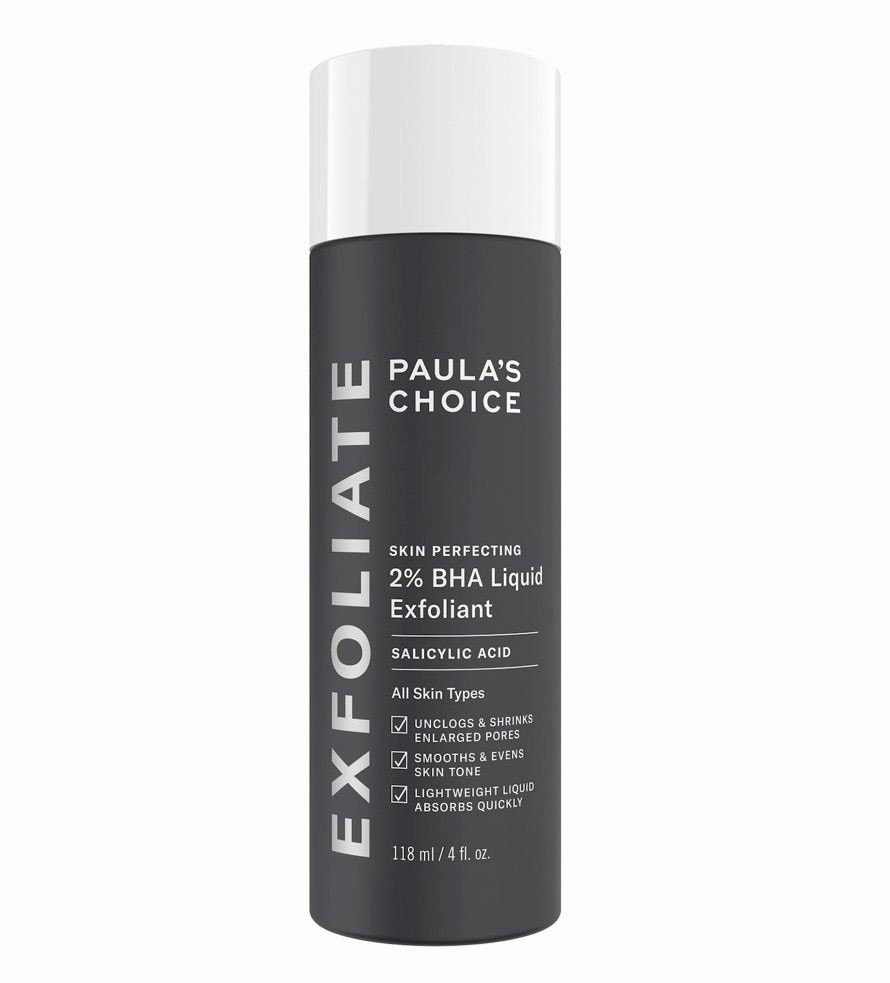
If blackheads and clogged pores are your main concerns, this leave-on liquid takes a targeted approach. Its toner-like texture spreads easily without scrub particles, although it can leave a slightly slippery finish. The main ingredient is 2% salicylic acid, an oil-soluble exfoliant that helps loosen dead skin buildup within pores and smooth the skin’s surface. Green tea extract offers antioxidant and soothing support. This fragrance-free formula may be particularly useful for combination or oily skin prone to congestion. Apply after cleansing and leave it on rather than rinsing it away. Give your skin time to adjust before increasing frequency; more applications won’t necessarily mean better results.
Beauty of Joseon Green Plum Refreshing Toner: AHA + BHA
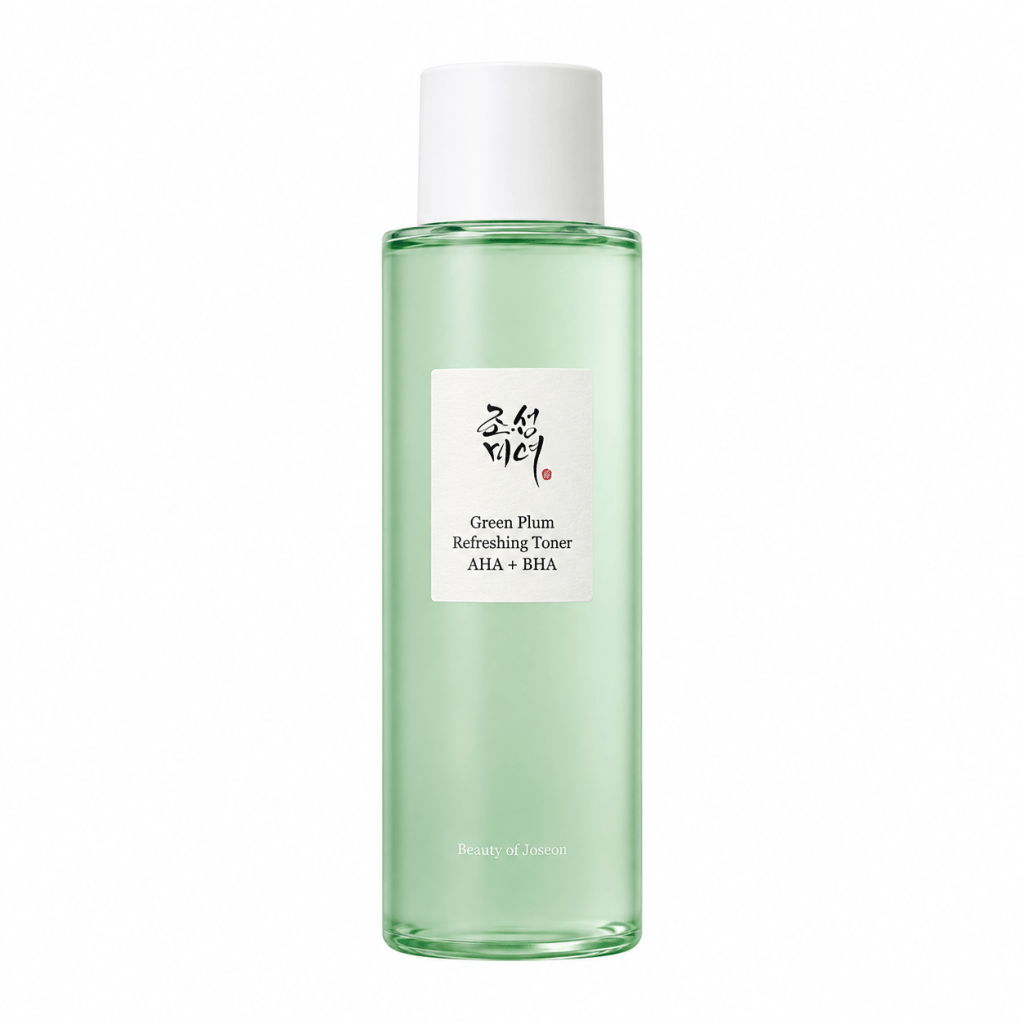
This lightweight, watery toner may appeal to anyone who wants exfoliation without a scrub or a thick treatment layer. It combines 2% glycolic acid, which helps loosen dead cells on the skin’s surface, with 0.5% salicylic acid to address buildup within pores. Mung bean extract adds hydration and soothing support alongside the formula’s green plum water. The combination may suit normal, combination, or mildly oily skin experiencing dullness and occasional congestion, particularly if a stronger exfoliating liquid feels excessive. Still, a lower acid percentage doesn’t guarantee that every skin will tolerate it. Introduce it gradually after cleansing, and resist the temptation to layer it with several other exfoliants simply because the texture feels light.
Murad AHA/BHA Exfoliating Cleanser
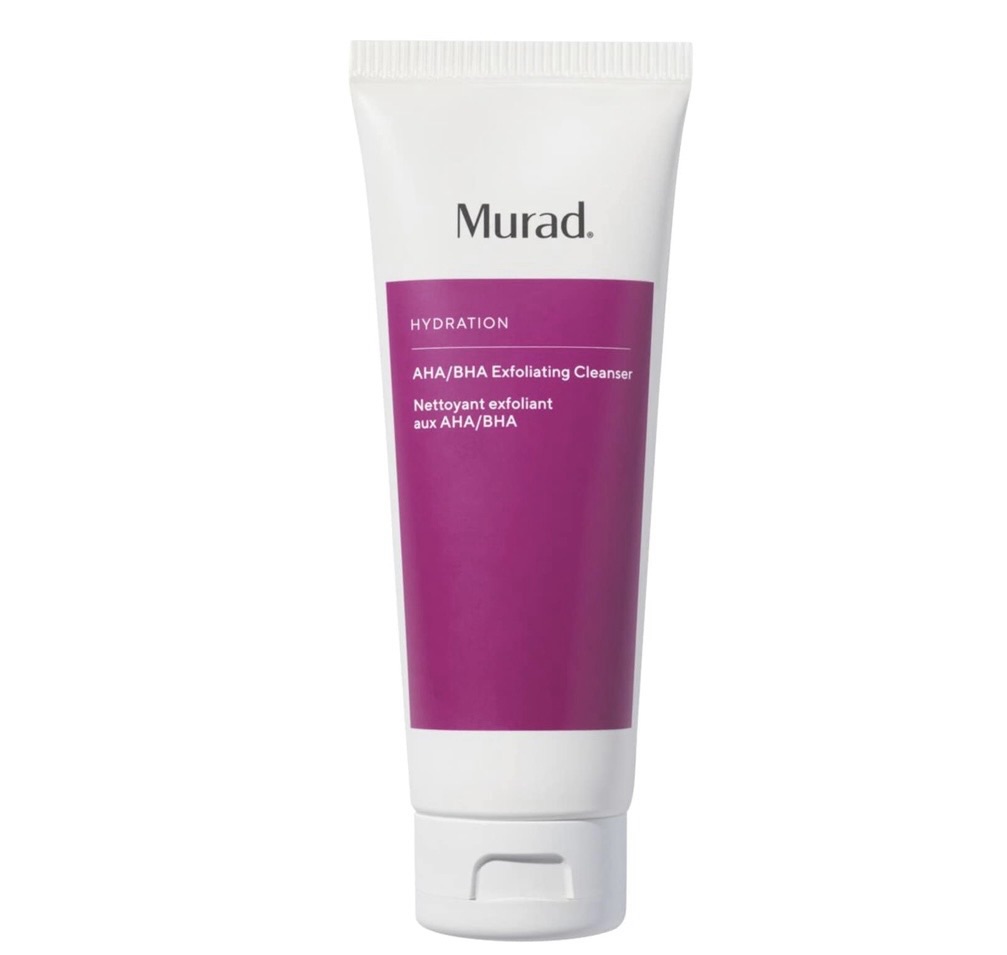
This creamy cleanser offers both chemical and physical exfoliation in a rinse-off formula. Glycolic acid helps loosen dull surface cells, salicylic acid helps address pore congestion, and jojoba esters provide the small polishing beads you feel during cleansing. It’s an option for normal, combination, or oily skin that looks lackluster or feels uneven and prefers exfoliating during the cleansing step. However, a cleanser containing acids doesn’t work exactly like a leave-on treatment; its contact with the skin is much shorter. Think of it as an occasional exfoliating cleanse within your routine. Murad recommends two to three uses weekly, and a light massage is enough. Follow with moisturizer rather than chasing a squeaky-clean finish.
Philosophy The Microdelivery Exfoliating Daily Facial Wash
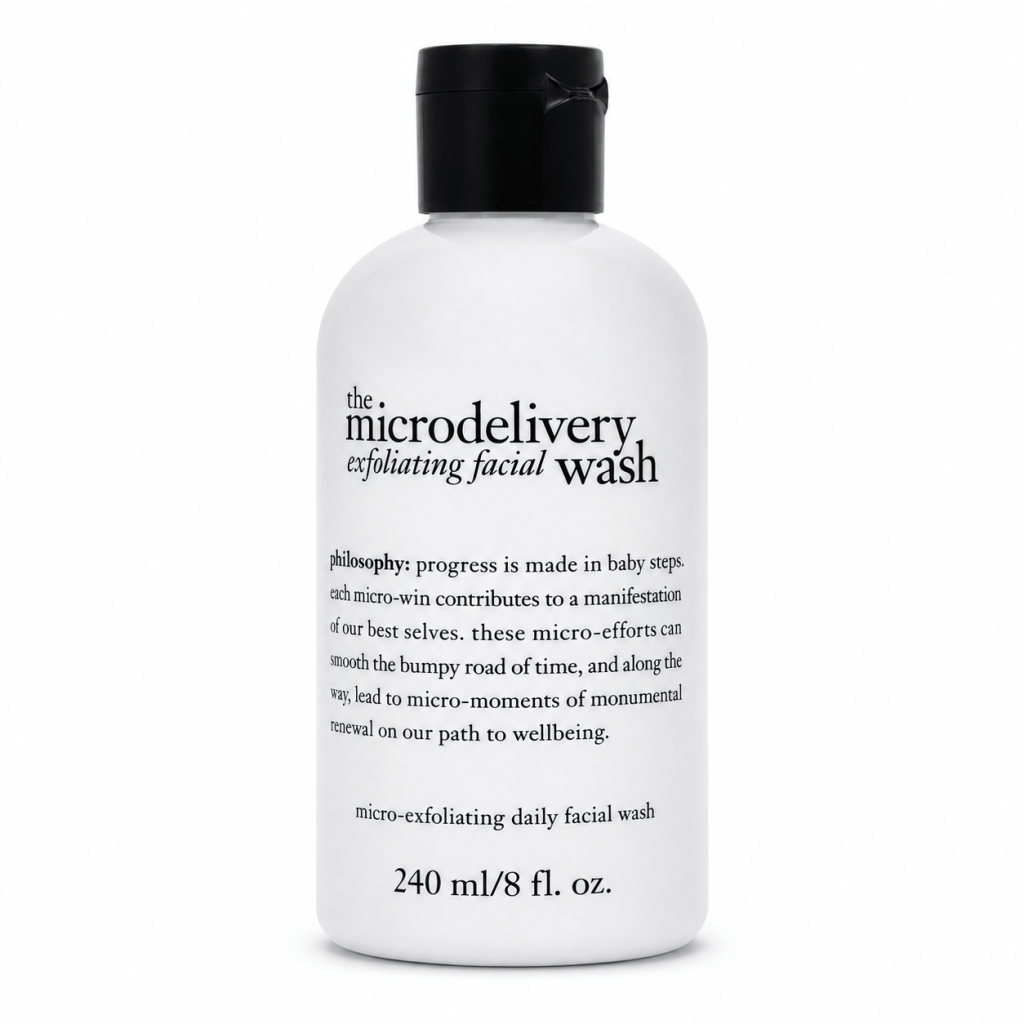
For those who enjoy a traditional face scrub, this wash combines cleansing with fine physical exfoliation. Its gel-like base contains diatomaceous earth (fine grain desert earth), a mineral-derived ingredient that provides the tiny polishing particles responsible for lifting away surface buildup. Glycerin helps draw moisture to the skin, while panthenol supports hydration and helps keep skin feeling comfortable. It may suit normal or combination skin with a rough, dull surface, especially if you prefer a rinse-off product over a leave-on acid. The important detail is pressure: let the fine particles do their job without pressing or repeatedly working over the same area. Although the name says “daily,” your skin may prefer less frequent use, particularly alongside other exfoliating products.
The Ordinary AHA 30% + BHA 2% Peeling Solution
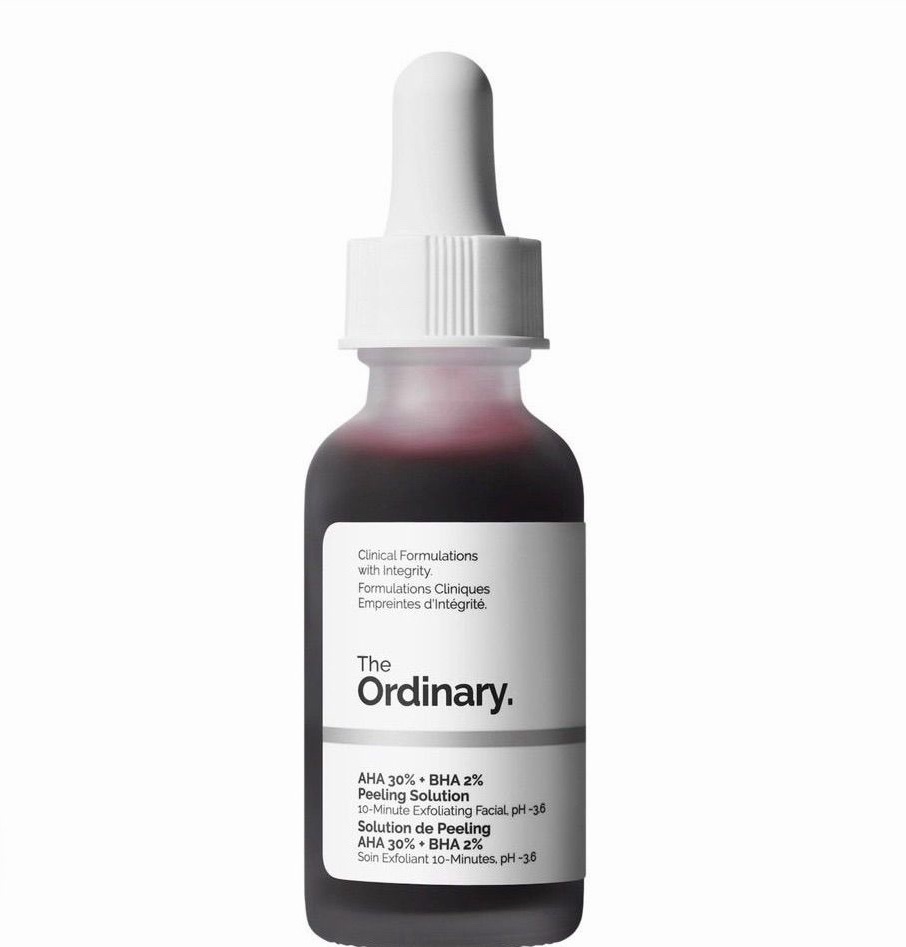
The deep red, slightly viscous texture makes this peel recognizable, but the acid concentration deserves more attention than its appearance. Glycolic acid leads a 30% AHA blend intended to improve surface texture and dullness, while 2% salicylic acid targets pore buildup. Sodium hyaluronate crosspolymer helps retain moisture, although hydrating ingredients don’t remove the irritation potential of a strong peel. This is best reserved for experienced acid users with resilient skin and concerns about roughness or congestion. It is unsuitable for sensitive, peeling, or compromised skin. Apply only to clean, completely dry skin, leave on for no more than ten minutes, and rinse thoroughly. The brand limits use to once or twice weekly; longer contact isn’t better.
Kiehl’s Clearly Corrective Daily Re-Texturizing Triple Acid Peel Serum
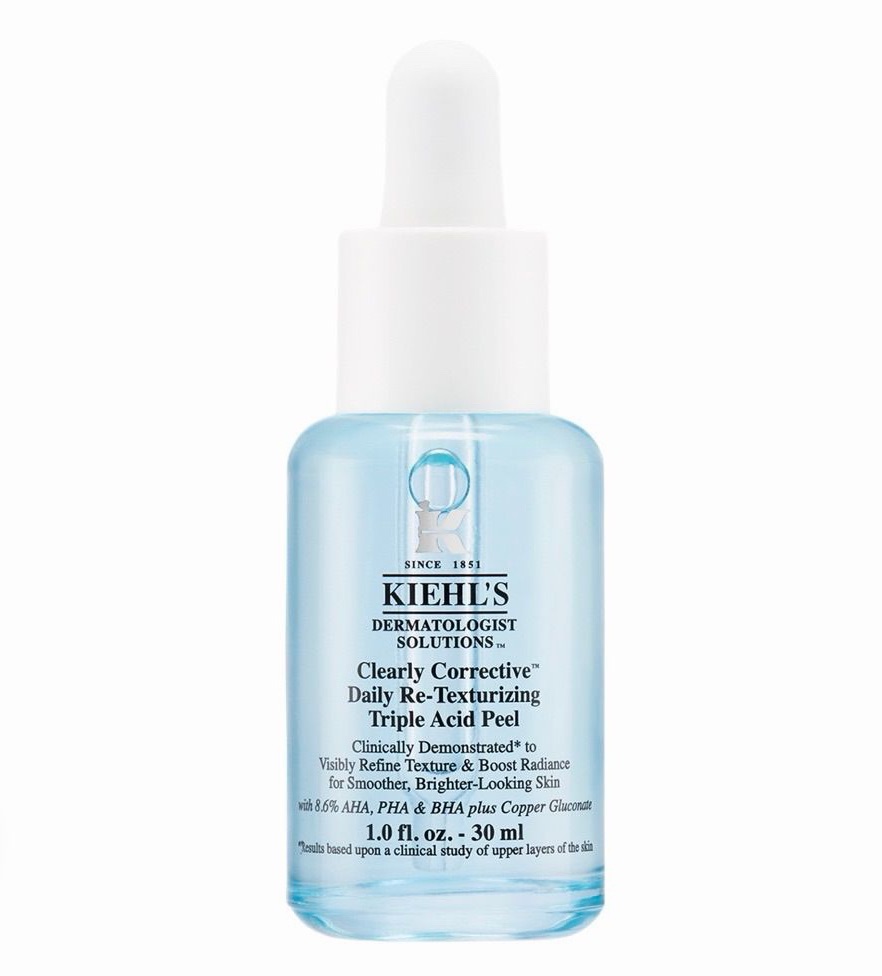
Despite “peel” appearing in the name, this lightweight liquid is a leave-on treatment rather than a mask you rinse away. Glycolic acid helps loosen dull surface buildup, salicylic acid helps address congestion, and gluconolactone provides PHA exfoliation alongside moisture-attracting benefits. The formula combines 5.5% AHAs, 0.18% BHA, and 3% PHA, giving it several ways to approach uneven texture. It may suit normal, combination, or oily skin concerned with roughness, visible pores, and a lack of radiance, particularly if you prefer a fluid treatment without scrub particles. Apply a thin layer after cleansing and before subsequent skincare. Although Kiehl’s permits daily use, starting less frequently leaves room to assess how it fits with the rest of your routine.
Loved this post? Comment down below and subscribe to beautygrind to receive the latest blog posts filled with industry researched and professionally experienced resources, tips, tricks, and inspiration.
Send business inquiries to info@khalilahneals.com.
For 1 on 1 consulting, customization or updates to your beauty and style questions and concerns, visit khalilahneals.com and fill out the “work with me” form.