beautygrind

Posts Tagged ‘moisturizer’

5 Reasons Why Vitamin C Should Be A Staple In Your Skincare Routine

In beauty, skincare on November 15, 2024 at 3:47 pm

From brightening to anti-aging, Vitamin C Is your skin care superhero.

Have you ever looked in the mirror and been less than pleased with the way your skin looks?  Dull. Uneven. Uninspiring.  Sure you have a regular skincare routine that includes cleanser, moisturizer and sunscreen.  You may even use the occasional manual or chemical exfoliation.  All of that is great however you may still find that your skin needs more – brightening, lift, clarity and hydration.  What you need is a product that contains a key ingredient that will address the concerns you have and the ones you didn’t know you had.

That Key Ingredient Is Vitamin C  

We are all familiar with Vitamin C because of the foods, beverages, and supplements we take.  It is also what we turn to when we we not feeling well since it is a well known fact that Vitamin C helps to restore and keep your immune system strong. Vitamin C is also “responsible for the growth and repair of the tissues in all parts of the body” (1) and can aid in the prevention of certain diseases and disorders such as stroke and high blood pressure (2).  With all of the amazing benefits that vitamin C provides internally, how much more will your skin benefit from using this ingredient on a regular basis to make it better?

Vitamin C In Skincare

Vitamin C, whether in moisturizer or serum form is one of the most powerful ingredients in your skincare routine.  It is a multifaceted ingredient that does the heavy lifting for some of our more pressing skincare concerns and here’s how:

  • It is a powerful antioxidant with anti-aging benefits.  Antioxidants are ingredients that help fight free radical damage caused by environmental aggressors such as dirt, UV rays and pollution.  Free radical damage leads to photosensitivity, hyperpigmentation and wrinkles.
  • Helps with collagen growth/synthesis.  Collagen, which decreases with age, is a protein that lives in the deeper layers of the skin.  It is responsible for the structure and firmness of the skin as well as the connective tissues in the body.  Vitamin C helps to stimulate your body’s natural collagen production, thus keeping the skin firm.
  • Improves wound healing.  This ties back to collagen production and the fact that it is responsible for the connective tissue in the skin.  When you have an injury to the skin due to a scratch or even an acne breakout, Vitamin C will help with collagen production/synthesis to rebuild the structure of the connective tissue of the skin so that it is healthy again.
  • Helps to brighten the skin and leads to overall clarity.  Vitamin helps to regulate melanin production leading to overall evenness of the skin.  When you experience hyperpigmentation/discoloration perhaps due to injury or breakout, Vitamin C helps to inhibit the overproduction of melanin by inhibiting melanin synthesis.  This is done by “downgrading the activity of an enzyme known as tyrosinase.” (3) Vitamin C also helps to calm down redness.
  • Brightens dark under eye circles.  Depending on the root cause of the darkness, Vitamin C can be the answer.  For instance, if the darkness is caused by hyperpigmentation such as eczema, allergies or perhaps a late night, Vitamin C can help.  Unfortunately, if that darkness is hereditary (appearance of pooling or dark veins) Vitamin C will not help much.  In these cases, a color corrector and/or concealer can help.

What Are The Most Common Forms Of Topical Vitamin C?

The most common form of Vitamin C is l-ascorbic acid (LAA).  It is the most researched, the most popular and the most potent.  It is very effective in addressing a myriad of skin concerns.  There can, however, be a downside to using this highly potent form of Vitamin C because it is highly unstable.  This can lead to irritation such as itching, redness and burning and is most likely the reason why many steer clear of Vitamin C altogether.

There are other forms of Vitamin C which can be more gentle to the skin and help to alleviate some of the discomfort one may experience, especially when first starting out.  These forms include Sodium Ascorbyl Phosphate (SAP) and Magnesium Ascorbyl Phosphate (MAP).  The former, SAP is better tolerated for sensitive skin without necessarily causing irritation and purging.  SAP still contains antioxidant and anti-inflammatory properties and can be helpful to people with acne or rosacea (4). The latter, MAP, which is a more stable form of Vitamin C, is great for hydration, collagen production and works for most skin types (5).

How To Use Vitamin C Correctly

When first introducing Vitamin C into your skin care routine (or any new skin care product for that matter), you want to start slowly. Consider using it every 2-3 days until you are able to use it daily.  Mix your Vitamin C serum into a moisturizer or use a Vitamin C infused moisturizer.  The best time to use Vitamin C is in the morning after cleansing and toning and before your moisturizer and sunscreen (if using in serum form).  Using Vitamin C in the morning benefits your skin because of the powerful antioxidants it contains to protect your skin against environmental aggressors.  It is important to follow up with a broad spectrum sunscreen to maximize the benefits of Vitamin C.

Serum vs Moisturizer 

When it comes to choosing a formulation of Vitamin C, it comes down to personal preference and skincare need.  Serums are usually more lightweight and have more potent ingredients.  Since the molecule of a serum is smaller, it will penetrate the skin more deeply to do more repairative work for concerns such as deeper lines and hyperpigmentation.  Moisturizers on the other hand are thicker and will do a better job of hydrating and nourishing the skin.

The Best Concentration Of Vitamin C

When looking for a Vitamin C skincare product – whether it be serum based or a moisturizer, there are several things to consider.  First things first, consider the concentration.  Concentration between 8%-20% is considered to be the most effective.  Anything below 8% may be ineffective whereas anything over 20% may cause irritation.  When searching for the right concentration of Vitamin C, look for ingredients that are included in the formulation such as Vitamin E, ferulic acid, glutathione, and hyaluronic acid.  These ingredients not only can boost the efficacy of Vitamin C but can also act as a buffer (Vitamin E, hyaluronic acid) against irritation and dryness.

How To Store Your Vitamin C Skin Care Products Properly

Because of the instability of most Vitamin C skin care products, it is important to look for packaging that is opaque and dark to protect the ingredients from light and air sources.  Not doing so will degrade the product thus rendering it ineffective.  You can actually store your vitamin c products (as well as other skincare products) in a refrigerator for preservation.  Be sure to take it out a few minutes before use.  Also, as with any other skin care or beauty product, pay attention to expiration dates.

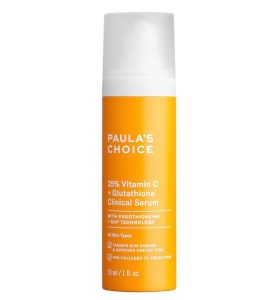
Paula’s Choice 25% Vitamin C + Glutathione Clinical Serum
Drunk Elephant C- Luma Hydrabright Serum

Ole Henriksen C-Rush Vitamin C Gel Moisturizer
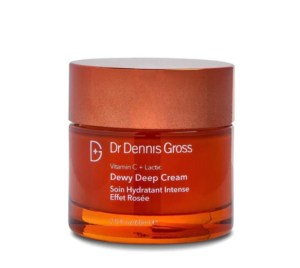
Dr Dennis Gross Skincare Vitamin C Lactic Dewy Deep Cream
Sunday Riley C.E.O. Glow Vitamin C +Turmeric Face Oil

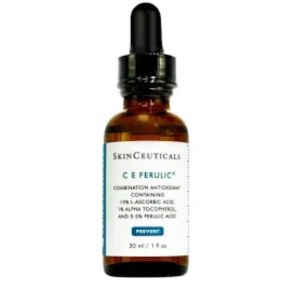
SkinCeuticals C E Ferulic

Supergoop Daily Dose Vitamin C + SPF

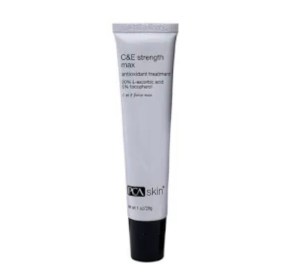
PCA Skin C&E Advanced Serum

Hyper Skin Brightening Clearing Vitamin C Serum
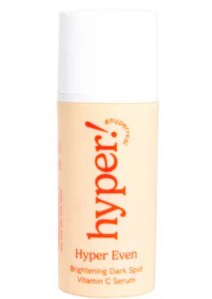
Naturium Vitamin C Complex Serum

Loved this post?  Comment down below  and subscribe to beautygrind to receive the latest blog posts filled with industry researched and professionally experienced resources, tips, tricks, and inspiration delivered to your inbox. 

For business inquiries regarding Beautygrind.com, email me at info@khalilahneals.com

Need one on one consulting, customization or updates for your beauty and fashion questions and concerns, visit khalilahneals.com  and fill out the “work with me” form.

Shop My Closet https://poshmark.com/closet/khalilahneals

  1. Mount Sanai “Vitamin C ascorbic acid”
  2. Mount Sanai “Vitamin C ascorbic acid”
  3. Healthline “11 Reasons To Add Vitamin C To Your Skincare Routine”
  4. City Skin Clinic “All The Different Vitamin C Skincare & And How To Find The Best One  For You”
  5. City Skin Clinic “All The Different Vitamin C Skincare & And How To Find The Best One  For You”

8 Popular Beauty Myths You Should Stop Believing

In beauty, hair, makeup, skincare on October 23, 2023 at 12:00 pm

When it comes to things like beauty, everyone has an opinion, a trick, and a solution for every beauty need and desire. Whether it’s information that has been passed down from your grandmother, tips and tricks from your best friend, or your favorite beauty guru, there are many beauty routines and regimens that we have committed to for years that keep us looking our best. Or so it seems. This is because there are many schools of thought related to beauty that may actually be a myth.

Now if you feel that what you are doing on a regular basis is working for you don’t change. However, it’s still good to examine our thought process and approach to many of the things that we accept as fact. Below are 8 very popular beauty concepts that we have accepted through the ages that are actually myths.

You Can Make Pores Smaller/Go Away. I totally hate to be the bearer of bad news but pores don’t get smaller or go away. EVER. Also, it would be nice if skin care and makeup companies would stop lying to those who have enlarged pores with empty promises of their magic pore shrinking lotions and potions. Now, everyone has pores. Everyone. It’s just that some people, usually those with oily, acne prone skin, have larger, more visible pores. Furthermore, pore size is determined genetically. For pores that “look” larger, they can be stretched when clogged with dirt and sebum. This is where appropriate skincare plays a role. Daily cleansing, gentle exfoliation, as well as using a detoxifying mask and things like peel pads can help pores look more refined. As far as makeup is concerned, there are certain primers have blurring effects that can also make pores look more refined. But again, pores don’t get smaller or go away. EVER.

Skin Adapts to Skin Care Products So You Have To Switch To Something New. Skin, which is our largest organ, is ever changing and evolving. What your skin needed 3 months ago may not be what your skin needs today. Think about why you bought a particular item for your skin, maybe to help with a particular concern that you had. Do you have that concern now? Not necessarily because the major skin changes might have already taken place so the results won’t seem as dramatic although the product is working the same way it always has. If you want to switch up your skincare, that’s totally fine but just know you don’t have to switch to a new product because your skin is “used” to your current products.

Wearing Makeup Daily Is Bad For Your Skin. Granted there are some makeup formulations that can irritate your skin, causing inflammation and breakouts. But makeup isn’t inherently bad for your skin. Also, skin doesn’t need to breathe because skin is not made up of tiny lungs. Now clogged pores – that’s another issue. Pores are tiny openings in the skin that release oils and sweat – not oxygen. Be sure to cleanse your face thoroughly on a daily basis and use the proper skincare formulation for your skin type. If you feel like you want to take a break from wearing makeup, that is never a bad thing. Have at it.

You Can Repair Split Ends. This is simply not true. You can use products to help improve their appearance but you will ultimately have to clip your ends and be mindful of things like heat styling, having a hair care routine in place and using the proper products for your hair on a regular basis. Also hair doesn’t grow faster when you cut it. Hair growth comes from the root. Not the ends. Snip Snip.

Oily Skin Doesn’t Need Moisturizer. The oil in one’s skin is not a moisturizer, which is something ALL skin types need. When someone with oily skin does not wear a moisturizer, the skin actually overcompensates for a lack of moisture by over-producing sebum, thus making you more oily and shiny. And even with all of that extra oil, your skin is still dry. It is best to use an oil free or mattifying moisturizer to help with shine as well as moisture.

Dry Skin Causes Wrinkles. Dry skin does not cause wrinkles. Overexposure to UV rays and other elements (aging, poor diet, genetics, smoking/drinking, etc) as well as the breakdown of collagen contribute to wrinkles. Dry skin can accentuate wrinkles but is not the culprit of said wrinkles.

Cellulite Can Go Away. Well not really but sort of – through measures such as surgery. Anyway, although fairly harmless, cellulite can be an annoying occurrence that appears on places such as thighs, belly and breasts. It is more common in women than in men and can become more prevalent in aging, pregnancy as well as weight gain. Even those who are fit or slender may actually have cellulite. Cellulite is caused by fat deposits pushing toward of the surface of the skin. The use of creams, depending on ingredients, can offer a temporary reduction in appearance of cellulite. There are some things you can do to improve the appearance of cellulite such as: hydrate, exercise/eat a healthy well balanced diet and possibly dry brushing. When you stay hydrated, you are helping to flush toxins and keep skin looking healthy. When you are dehydrated, skin can appear more dull and cellulite can appear more visible. Exercising can help build lean muscle and burn fat which can help cellulite appear less visible. Eating a well balanced diet with healthy fats and lean protein can help you maintain your personal healthy weight. Dry brushing is thought to help with lymphatic drainage as well as helps with the appearance of skin.

Black Skin Doesn’t Need Sunscreen. Melanin is wonderful and all but it doesn’t protect against the UV rays that lead to aging (UVA) and burning which can lead to skin cancer (UVB). Also – ALL. SKIN. BURNS. For example, if you put white bread, wheat bread and pumpernickel bread into the oven and leave it in too long, all of the bread will burn. You just won’t see the damage on the pumpernickel as well as you would the white bread. But all the bread is damaged. Same with skin. So please, EVERYONE, wear your sunscreen.

Loved this post?  Subscribe to beautygrind to receive the latest blog posts filled with resources, tips, tricks, and inspiration delivered to your inbox.

Need one on one consulting, customization or updates for your beauty and fashion questions and concerns, visit khalilahneals.com.

15 Skincare And Makeup Mistakes To Stop Making Now

In beauty, makeup, skincare on June 27, 2022 at 12:00 pm

From the harshness of unblended highlight and contour to using dirty makeup brushes, chances are you have at some point or are currently making some major beauty faux pas.

Image courtesy of George Milton via Pexels

We all have our go to make up routines which includes our favorite tips, tricks and tools. But it is definitely possible that our go to make up habits could be doing more harm than good to our skin, tools and overall look. That’s ok because below is a list of 15 common beauty blunders that you might not be aware of and the solution to help fix said faux pas.

  1. Using Makeup Wipes To Clean Your Face. I’m not sure when using wipes as the only way to sufficiently cleanse your face became ok but stop it. So you’ve had a long night out and you are too inebriated and too tired to actually cleanse your face – a makeup wipe can help you out until you get yourself together. But please don’t make this a habit – the most a makeup cleansing wipe can do for you is superficially wipe the day off of your face. It will not ever deep clean the surface of your skin let alone get deep down into your pores after a day of wearing sunscreen and makeup and being exposed to the environmental aggressors of dirt, debris and smog. Do your current and your future skin a favor and use a cleansing balm or oil followed by an actual cleanser for your skin type. If you prefer using a makeup wipe, use it a part of your pre-cleanse.
  2. Tugging On The Eye Area To Remove/Apply Eye Makeup And Skincare. We’ve all been there: you stretch/pull at the corner of your your eyes to apply your eye liner, roughly rub your eyes to take off your eye makeup or pull and rub on your under eye area to apply eye cream or concealer. Stop it! The under eye area is the most delicate area of the face. Think of it like this: your face is like construction paper and your under eye area is delicate like tissue paper. The under eye area shows the first signs of aging and rough and tumble pulling and tugging can help accelerate the process. When it comes to removing eye makeup, use a cotton round with a makeup remover. Apply to the eye area and hold for about 10 seconds to loosen any eye makeup and gently swipe away. When it comes to applying eye liner, apply in sections across the lid and be sure to use a formula that glides on smoothly. Don’t pull on the corner of your eyes. When applying under eye concealer and eye cream, use a brush and/or your ring finger and gently press/tap into the skin.
  3. Not Treating The Under Eye Area With Eye Cream/Serum Before Concealer. At this point, eye creams/serums should be a part of your skin care routine. If not, no judgement. Just start now. By prepping with skin care, you will find that your concealer will lay better on your skin. It also prevents your makeup from looking dry and cakey and you won’t have to apply tons to look even and highlighted under the eyes.
  4. Not Using Color Corrector. Have you ever applied under eye concealer or even foundation and found that the shade and tone wasn’t sufficient? As a matter of fact, some areas looked gray? That’s because you most likely need to color correct first. Color correcting helps to neutralize blue, purple and brown undertones in the skin so that your actual complexion product will read more accurately. It all goes back to understanding color theory where opposite colors on the color wheel are not only complementary but those same complementary colors also cancel each other out. For instance, if you are experiencing redness, you would use green to color correct before applying your concealer or foundation. If you have blue tones under your eyes, you would use a corrector in the pink/peach/apricot spectrum, depending on your complexion range, to neutralize those tones before applying concealer or foundation.
  5. Not Cleaning Makeup Brushes Regularly. Have you ever gone so long with not cleaning your brushes that your brushes feel hard and somewhat stiff? When your brushes are dirty they don’t even perform the same and your make up doesn’t look as good as it could. More importantly, not cleaning your brushes is a great way to spread bacteria on the face. Can we say pimples? Anyway, using a brush cleaner like this one or this one not only cleans your brushes but helps to keep the bristles conditioned and is oftentimes anti-bacterial.
  6. Putting On Concealer Before Foundation. Foundation is just that – foundation. A base. It’s the building block for all of the other makeup you put on your face – well aside from good skin care. When you apply concealer first, as you apply the actual foundation, you actually wipe concealer away from the very place you were trying to conceal. Instead, apply foundation first then stipple/bounce concealer on top wherever the discoloration is. You may also find that you won’t need as much concealer when you apply foundation first. When it comes to the under eye, this can be particularly helpful as applying foundation first can help balance and perhaps color correct tones before you apply concealer.
  7. Not Blending Your Harsh Highlight And Contour. Chances are you aren’t on stage but in real life – at work, school or the grocery store. The somewhat extreme highlighting and contouring that we see on our social media feeds works better for stage and maybe television with various lighting conditions but those harsh, unblended lines of demarcation can be quite unappealing in real life. Consider blending more thoroughly for a softer, more complementary look.
  8. Using Too Much Product To Mark Out Highlight And Contour. Or using too much foundation in general. Bottom line – it’s TOO MUCH PRODUCT and takes unnecessary amounts off time and effort to blend. Instead of plastering your face with foundation, highlight and contour shades in intricate designs, try applying your foundation first. Then apply your highlight color (1-2 shades lighter, maybe 3 shades if you know how to blend) in the right undertone then blend. Then go in with your contour color and blend. Apply an illuminator/highlighter if you so choose. Blend that as well. Then take a brush and lightly blend the entire face. This way you will look soft, blended and radiant. Not a colorful ashy mess. *note* Applying your highlight first will actually expose the areas that naturally recede for contour. It is also easier to blend a contour (darker color) into a highlight as opposed to the other way around.
  9. Not Using A Moisturizer Because You Are Oily. Not using at lease an oil free (controls oil production) or mattifying (prevents appearance of oil, makes skin more matte) moisturizer is actually making you more oily. That is your skin overcompensating for the lack of actual moisture in the skin. The oil in the skin is not a moisturizer and the skin becomes more unbalanced when you don’t use a moisturizer to balance and protect your moisture barrier.
  10. Over-Washing Your Face. It is quite tempting to want to wash your face multiple times a day especially when you are oily and/or acne prone. However, just like not using a moisturizer when you are oily can have an adverse affect on your skin, over-washing your face can strip your skin, causing it to be dry, flaky and painfully irritated. You might also find that acne can get worse. When washing your face twice a day, consider using a mild low lather or creamy/oil cleanser like this or this for the morning and a cleanser for deeper cleanse for the evening to wash the day away like this one.
  11. Keeping Expired Makeup. Sure you may love the many items in your make up collection but it is very important to make sure that what you are putting on your face is not expired. Not paying attention to expiration dates can not only cause lack of performance of your favorite items but can also be a breeding ground for skin irritation and possible infection. Learn more about makeup shelf life and expiration dates here.
  12. Over-Filling Your Eyebrows. Good eyebrows are one of the most important features in giving good face. Well groomed brows bring shape and structure to the face. When you have neatly and beautifully shaped brows, you don’t necessarily need too much of anything else to look polished. It is recommended that you seek a professional too groom your brows. It’s one thing to have a natural full brow however filling in the brow too dark and over the natural shape can spell disaster. When filling in your brows, be sure to follow the natural shape of the brow and fill in only the sparse areas.
  13. Not Adjusting Your Foundation As You Age. It’s no secret that your body changes as you get older. This includes changes to your skin. What worked for you in your 20’s (i.e. powder foundation) may not work for you as you get older. Consider using liquid or serum based formulations that address dullness, fine lines, wrinkles, discoloration and dryness.
  14. Putting Makeup On Dry Skin. Not prepping the skin before makeup application. Your makeup reflects back to you what is going with your skin. If your skin is dry, your makeup will look dry and cakey. You will also find that your makeup doesn’t glide and apply very smoothly to your skin. Be sure to prep with a good moisturizer and hydrating primer before applying your foundation.
  15. Putting Too Much Emphasis On Both Eyes And Lips. How you choose to wear your makeup is entirely up to you. However, consider focusing on one feature such as the eyes and let your other features play a supporting role with complementary tones, textures and finishes. Doing so prevents your look from becoming too under or overwhelming. It also brings balance to the features.

Have you made any of the mistakes listed above or do you make mistakes that weren’t even listed above? Leave a comment down below.

Loved this post?  Subscribe to beautygrind to receive the latest blog posts filled with resources, tips, tricks, and inspiration delivered to your inbox. 

For business inquiries regarding Beautygrind.com, email me at khalilah@beautygrind.com

Need one on one consulting, customization or updates for your beauty and fashion questions and concerns, visit khalilahneals.com  and fill out the “work with me” form.