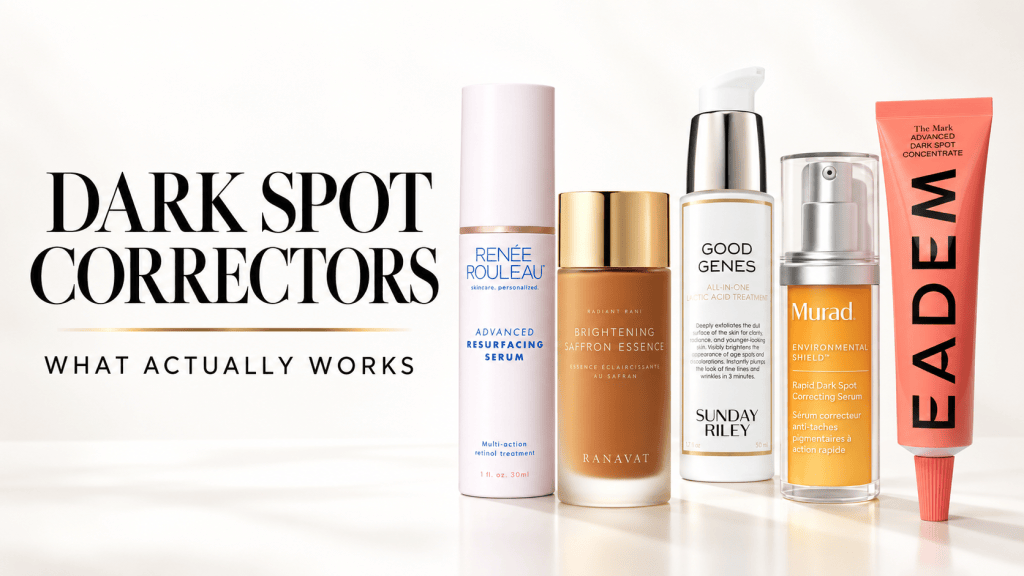
A practical guide to understanding hyperpigmentation and choosing the right ingredients and dark spot correctors for a brighter, more even complexion.
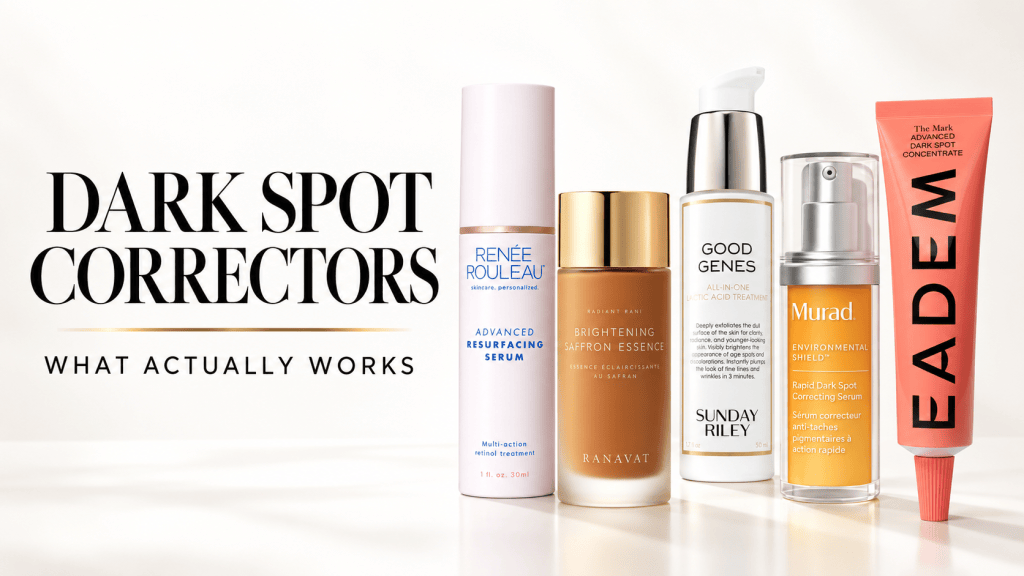
Clear, blemish-free skin is the ultimate beauty goal for many. For some, achieving clear skin comes easily – no acne or other skin concerns that can cause discoloration. For countless others, clear skin is more elusive, regardless of the concerns being occasional or persistent.
Having a consistent skincare routine to support your skincare goals is important. This routine should be based on your skin type and effectively address the general health of your skin. But what is the solution when you are experiencing stubborn discoloration and uneven skin? To understand what to do about this concern, commonly known as hyperpigmentation, you first need to understand what it is and why it occurs.
What Is Hyperpigmentation?
Hyperpigmentation is the general term for the types of discoloration that show up on the skin and is caused by the overproduction of melanin. It can appear as pink or red spots and scarring in fair to light skin tones and brown and black spots and scarring in medium to deep skin tones.
The causes of hyperpigmentation vary, with the most common being melasma, post-inflammatory scarring, and sun exposure. Melasma is thought to be caused by (but is not limited to) hormonal fluctuations, particularly from pregnancy or oral contraception use. This shows up as varying shades of brown or bluish-gray patches on the skin, particularly on the face. Post-inflammatory hyperpigmentation is very common and can come from various skin traumas such as acne, eczema and other skin rashes. Sun exposure and the common form of subsequent skin damage shows up as discoloration. This occurs because UVA (aging) and UVB (burning) rays affect skin not protected by sunscreen. UVA rays penetrate deeper beneath the skin and cause dark spots. UVB rays affect the top layer of the skin and cause uneven skin and redness. Overexposure to the sun’s harmful rays can also make melasma worse.
What Is The Solution?
Before choosing a dark spot corrector, it is helpful to understand exactly what you are treating. Hyperpigmentation can occur for several reasons, and the cause may influence which ingredients, products or professional treatments will be most effective.
Depending on the severity of your concern, options include the use of professional grade chemical peels, laser peels, microdermabrasion, dermabrasion and IPL therapy. Other solutions include prescription based creams and retinoids. Many of these options have different recovery times and results and may be expensive so budget is a factor to consider.
For hyperpigmentation that is mild to moderate, over the counter (OTC) options with specific ingredients may yield satisfactory results. Formulations include serums, creams, toners, gels, peels and moisturizers. When shopping for OTC products, look for the following key ingredients which inhibit tyrosinase, a key enzyme in melanin production:
- Kojic Acid. Derived from mushrooms. Inhibits pigment production.
- Arbutin. Derived from bearberry. It is a natural derivative of hydroquinone which is considered to be the gold standard in skin lightening. Arbutin, more commonly known as alpha arbutin, is a pigment inhibitor and permits the slow release of actives, making it great for sensitive skin.
- Glycolic Acid. A well known AHA, glycolic acid is derived from sugar cane and provides chemical exfoliation of the uppermost layers of dead skin cells which helps fade discoloration. Glycolic acid helps with smoother skin texture as well as helps to promote even skin tone and clarity.
- Lactic Acid. An AHA derived from milk, lactic acid works in a way similar to glycolic acid. It is thought to be more gentle and helps to exfoliate and brighten dark spots as well as helps with smoothing skin texture.
- Retinol. A derivative of vitamin A, retinol helps skin cells to regenerate more quickly, revealing smoother, brighter, clear skin. Retinol also stimulates collagen production, is anti-inflammatory and can help prevent acne.
- Niacinamide. A form of vitamin B3, niacinamide, which is easily absorbed into the skin, is an anti-inflammatory, helps to unclog pores, reducing blemishes that can lead to dark spots. Niacinamide balances oil production and treats redness.
- Vitamin C. Derived from citrus fruit, vitamin C inhibits melanin production which can help keep new dark spots from occurring. It is also a chemical exfoliant which sloughs off dead skin cells.
- Willowbark. This ingredient can come from either the white or black willow bark tree. It is a natural form of salicylic acid, a BHA that is used to treat acne and remove dead skin cells which help with fading dark spots.
- Licorice Root. Licorice root hinders free radical damage and excessive melanin production, both of which can lead to hyperpigmentation.
- Hydroquinone. Hydroquinone is a popular skin lightening agent found in many products to address concerns of hyperpigmentation. It is a compound that works to block/hinder an enzyme in melanin production.
- Tranexamic Acid. A brightening ingredient that helps reduce the appearance of dark spots, post-inflammatory hyperpigmentation and uneven skin tone. It works by interrupting some of the inflammatory signals that can trigger excess melanin production.
Topicals Faded Brightening + Clearing Serum
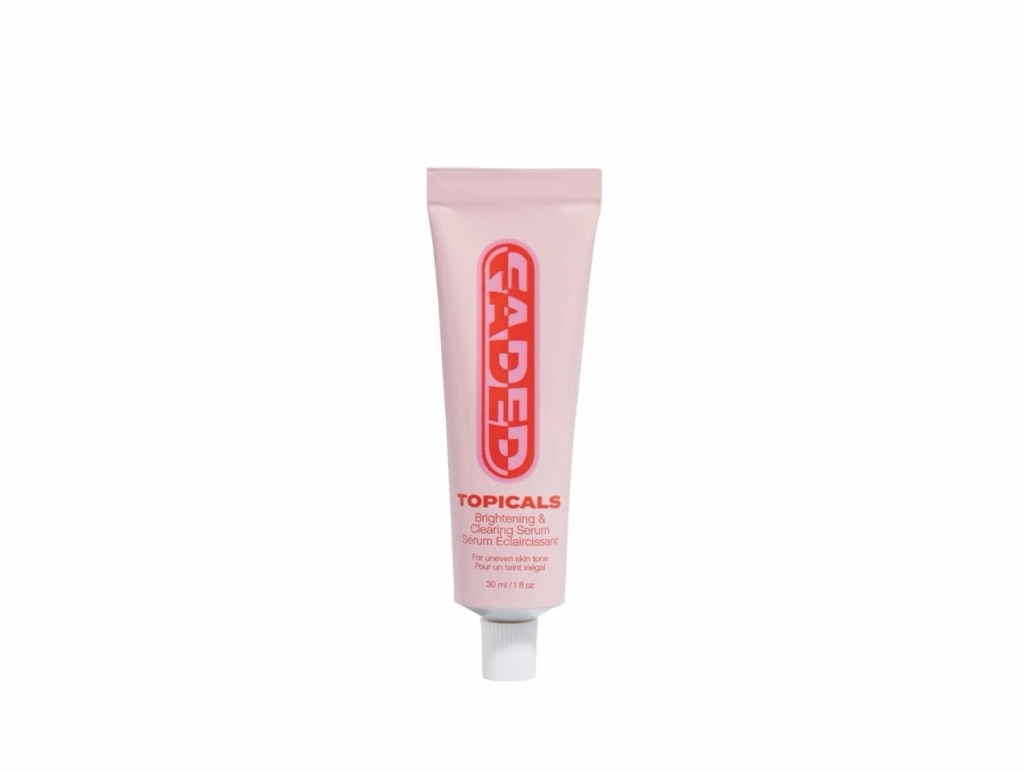
Despite the word “serum” in its name, Faded feels more like a lightweight cream. The formula spreads easily without the watery slip of a traditional serum, making it comfortable to use as a targeted treatment or across larger areas of discoloration. Tranexamic acid helps minimize the appearance of stubborn dark patches and post-breakout marks, while niacinamide works to improve uneven tone and support the skin barrier. Azelaic acid rounds out the formula by helping to brighten discoloration, refine uneven texture and calm blemish-prone skin. It is a multitasking option for anyone dealing with a combination of dark spots, lingering acne marks and uneven texture.
Dr. Idriss Major Fade Hyper Serum
Major Fade Hyper Serum has a silky, lightweight lotion-serum texture that absorbs comfortably and leaves the skin with a subtle illuminated finish. The formula takes a layered approach to discoloration: alpha arbutin helps reduce the appearance of uneven pigmentation, while kojic acid targets the look of stubborn dark spots. Niacinamide provides additional brightening support while helping to soothe the skin and maintain a healthy moisture barrier. Although this is an active ingredient list, the serum itself is wearable, making it easy to layer beneath moisturizer, sunscreen or makeup. It is a particularly appealing option if you want an all-over brightening serum rather than a treatment reserved only for individual spots.
EADEM The Mark Advanced Targeted Dark Spot Concentrate
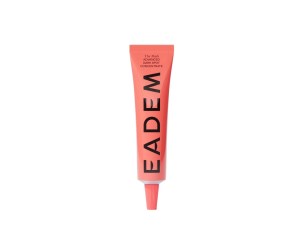
The Mark is designed for precise application, with a concentrated gel-cream texture that behaves almost like an invisible patch. Instead of spreading or disappearing immediately, it grips the area where it is applied which is ideal for targeting individual acne marks, sun spots or other areas of persistent discoloration. The formula contains 5% tranexamic acid, 1% alpha arbutin and 1% kojic acid. Tranexamic acid helps interrupt some of the processes that contribute to uneven pigmentation, while alpha arbutin and kojic acid work as complementary brighteners to gradually improve the appearance of existing marks. Because of its stay put texture, this feels less like a traditional face serum and more like a focused treatment for the spots that need extra attention.
La Roche-Posay Mela B3 Dark Spot Serum
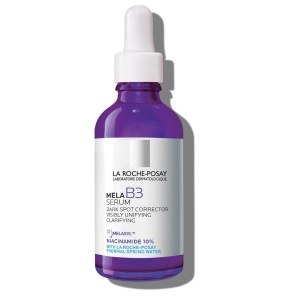
Mela B3 is a lightweight, fluid serum that spreads easily and layers well within a morning or evening routine. Its hero ingredient is Melasyl, La Roche-Posay’s proprietary ingredient developed to help reduce the appearance of persistent discoloration. The formula also contains 10% niacinamide, which can help improve uneven tone, strengthen the moisture barrier and calm visible irritation. Retinyl palmitate, a mild vitamin A derivative, provides additional support for skin renewal and overall texture. The combination makes this a well rounded option for anyone concerned with post-acne marks, sun related discoloration and general unevenness – not just isolated dark spots. It absorbs without the weight of a cream, although the formula does contain fragrance, which may be worth noting if your skin is particularly reactive.
Musely The Spot Cream
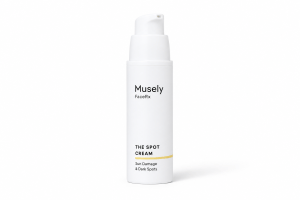
Musely’s Spot Cream is different from the other products on this list because it is a prescription treatment rather than an over-the-counter serum. It has a traditional cream texture that feels richer and more substantial than a fluid serum, and the exact ingredients depend on the formula selected by a dermatologist. Some versions contain hydroquinone, which reduces excess melanin production to help fade persistent pigmentation. Certain formulas also include tretinoin to encourage skin-cell turnover, allowing discolored surface cells to shed more efficiently, while niacinamide helps support the skin barrier and improve uneven tone. Because these are prescription-strength actives, the Spot Cream should be used only as directed by the prescribing provider. This is the intensive option in the group, particularly for concerns such as melasma or stubborn discoloration that has not responded to conventional skincare.
Murad Rapid Dark Spot Correcting Serum
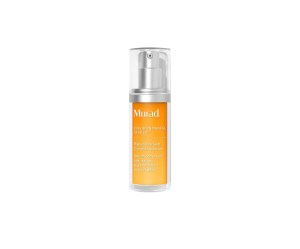
Murad’s Rapid Dark Spot Correcting Serum has a lightweight gel-serum texture that spreads easily across the face and absorbs without the heaviness of a cream. Its three-pronged formula combines patented resorcinol technology, tranexamic acid and glycolic acid. Resorcinol and tranexamic acid work through different pathways to help reduce the appearance of existing discoloration and encourage a more even-looking complexion. Glycolic acid exfoliates the buildup of dull surface cells, which can make dark spots appear more prominent, while helping the other brightening ingredients penetrate more effectively. Because this formula combines a pigment correcting treatment with an exfoliating acid, it is a strong option for anyone concerned with both stubborn discoloration and uneven texture.
Sunday Riley Good Genes Lactic Acid Treatment
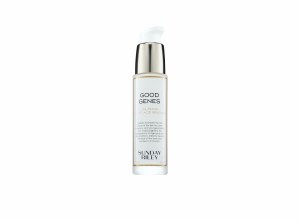
Good Genes is technically an exfoliating treatment, but its ability to address dullness, uneven texture and discoloration earns it a place among dark spot treatments. The formula has a creamy, lotion-like texture that feels more substantial than a traditional acid serum and leaves the skin looking immediately smoother and more luminous. Lactic acid loosens and removes dull surface cells, helping to refine texture and gradually improve the appearance of discoloration. Licorice root provides additional brightening support, while prickly pear, aloe and arnica help calm the skin and offset some of the potential irritation associated with exfoliation. A mild tingling sensation may occur, particularly when the product is first introduced, so it is best incorporated gradually if your skin is sensitive or new to acids.
Good Molecules Discoloration Correcting Serum
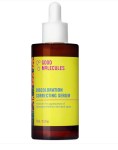
This affordable serum has a thin, lightweight texture that sinks in easily and layers comfortably beneath moisturizer and sunscreen. The formula combines 3% tranexamic acid in the form of cetyl tranexamate mesylate with 4% niacinamide. Tranexamic acid helps reduce the appearance of discoloration by addressing some of the processes that contribute to excess pigment. Niacinamide supports the brightening action while helping to improve uneven tone, calm visible irritation and strengthen the skin’s moisture barrier. Because it does not rely on strong exfoliating acids or retinoids, this is an approachable option for someone who wants to treat post-breakout marks and general unevenness without adding an especially aggressive treatment to their routine.
Renée Rouleau Advanced Resurfacing Serum
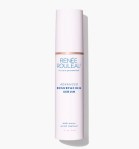
Advanced Resurfacing Serum has a smooth, lotion-like texture that feels more like a lightweight treatment cream than a watery serum. Its star ingredient is retinol, which encourages skin-cell turnover to help soften rough texture, improve the appearance of sun damage and gradually lift visible discoloration. A Matrixyl peptide supports firmer, smoother-looking skin, while glucosamine adds hydrating and brightening benefits. Mugwort, algae and licorice extracts provide soothing support to make the formula more comfortable for skin that may not tolerate aggressive retinoids. This is a particularly good choice if dark spots are accompanied by fine lines, uneven texture or other visible signs of sun damage, since the formula takes a broader resurfacing and healthy-aging approach.
PCA SKIN Pigment Gel Pro
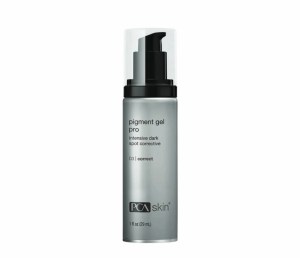
Pigment Gel Pro has a lightweight gel texture that absorbs quickly, making it easy to apply across the face or concentrate on areas of persistent discoloration. The hydroquinone-free formula uses several complementary brighteners, including tranexamic acid, hexylresorcinol and licorice-root extract. Tranexamic acid helps minimize the appearance of uneven pigmentation, while hexylresorcinol targets the look of existing dark spots by helping to limit excess pigment production. Licorice root contributes additional brightening benefits while helping to soothe visible irritation. The result is a professional-grade option designed for stubborn discoloration without relying on hydroquinone or retinol. Because of its active formula, introducing it gradually and consistently using sunscreen are particularly important.
Clinique Even Better Clinical Dark Spot Clearing Serum
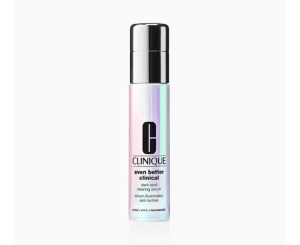
Clinique’s Even Better Clinical has a lightweight, oil-free texture that sinks in quickly without leaving a greasy or heavy finish. The fragrance-free formula combines two stable forms of vitamin C to help brighten the complexion and reduce the appearance of dark spots. Niacinamide provides additional tone-evening benefits while supporting the skin barrier, and salicylic acid gently exfoliates the surface to reveal fresher, more radiant-looking skin. The formula also includes UP302, Clinique’s proprietary brightening molecule. This is a well-rounded option for someone who wants to address sun spots, age spots and post-acne marks but prefers a gentle daily serum that can be used across the entire face and layered easily beneath other skincare.
Kiehl’s Clearly Corrective Clarify & Brighten Dark Spot Serum
Previously known as Clearly Corrective Dark Spot Solution, this longtime Kiehl’s favorite has a clear, fluid texture that feels light on the skin and absorbs without leaving an oily residue. Activated C, a stabilized vitamin C derivative, helps brighten the complexion and gradually reduce the appearance of existing marks. Buffered salicylic acid encourages gentle surface-cell turnover, helping to refine uneven texture and clear away dull cells that can make discoloration appear more noticeable. Peony extract supplies antioxidant support while contributing to the formula’s overall brightening action. The serum can be applied all over for general unevenness or pressed into specific areas of discoloration, making it a versatile option for post-breakout marks, sun spots and dull-looking skin.
Treating hyperpigmentation is rarely an overnight process. Even the most effective dark spot correctors require patience and consistent use to deliver visible results. Be sure to choose products that suit your skin type, introduce active ingredients gradually and give your skin time to respond. Also, remember that stronger does not always mean better.
Regardless of which skincare products you use, daily sun protection is essential. Apply a broad-spectrum sunscreen with at least SPF 30, and reapply every two hours, especially when spending time outdoors. Without adequate sun protection, existing discoloration can become darker and new dark spots may continue to develop.
Over-the-counter products can be effective for many forms of discoloration. However, if your dark spots are persistent, worsening or not responding to a consistent routine, consider consulting a dermatologist. A professional can help identify the cause and determine whether a prescription treatment or in-office procedure may be more appropriate.
Do you struggle with hyperpigmentation? If so, what has been your go-to product for treating dark spots and creating a more even-looking complexion? Share your favorites in the comments below.
Loved this post? Subscribe to beautygrind to receive the latest blog posts filled with resources, tips, tricks, and inspiration delivered to your inbox.
Need one on one consulting, customization or updates for your beauty and fashion questions and concerns, visit khalilahneals.com.


Leave a Reply